The Core Environmental Benefits of Solar Energy
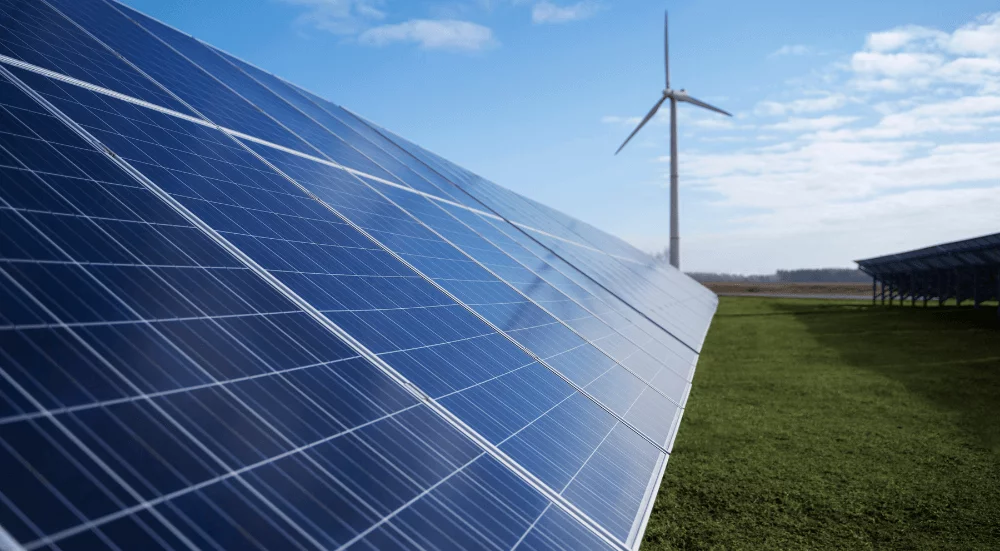
The primary advantage of solar power is its incredibly clean nature. Unlike traditional energy sources that rely on burning finite fossil fuels, solar panels generate electricity through a silent, emission-free process. This fundamental difference is the source of numerous positive environmental impacts, making it a cornerstone of the renewable energy movement. The clean energy advantages extend far beyond just reducing pollution; they touch upon resource conservation and global climate stability.
Let’s explore the specific environmental benefits of solar energy:
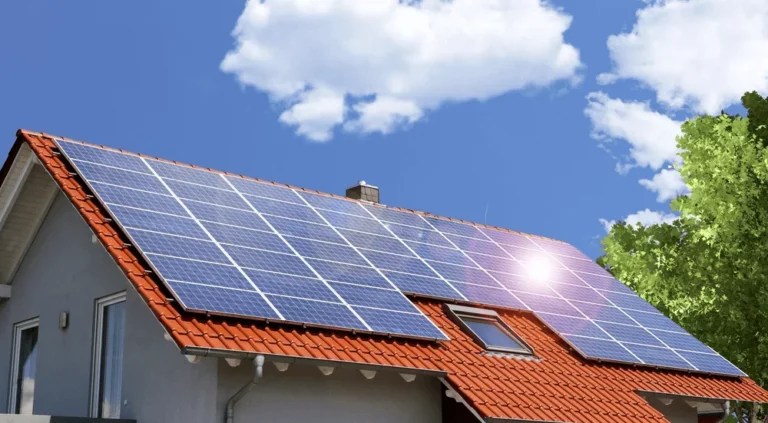
- Drastic Reduction of Greenhouse Gases: The most significant benefit is the reduction of our collective solar energy carbon footprint. Fossil fuel power plants release enormous amounts of carbon dioxide (CO2), methane, and other greenhouse gases that trap heat in the atmosphere, driving climate change. Solar panels, on the other hand, generate electricity with zero direct emissions. Every home that switches to solar effectively removes a significant source of CO2 from the grid, contributing directly to the fight against global warming.
- Improved Air and Water Quality: The combustion of fossil fuels doesn’t just release CO2; it also spews harmful pollutants like sulfur dioxide, nitrogen oxides, and particulate matter into the air. These pollutants are responsible for smog, acid rain, and a host of respiratory illnesses. By embracing solar, we reduce our reliance on these dirty energy sources, leading to cleaner air and better public health. Furthermore, solar power avoids the water contamination often associated with fossil fuel extraction, such as oil spills and coal slurry.
- Conservation of Precious Water Resources: Traditional thermoelectric power plants—including coal, natural gas, and nuclear—are incredibly water-intensive. They require vast quantities of water for cooling systems to operate safely and efficiently. In contrast, photovoltaic (PV) solar panels require virtually no water to generate electricity. In a world facing increasing water scarcity, this is one of the most vital yet often overlooked renewable energy benefits.
From Installation to Impact: The Practical Side of Solar Power Sustainability
While the operational benefits of solar are clear, a complete picture requires looking at the entire lifecycle, from manufacturing to maintenance. The concept of solar power sustainability encompasses not just how energy is produced, but also the practicality and long-term viability of the technology itself. Modern solar technology is designed to be a durable, low-maintenance, and increasingly accessible solution for a wide range of applications.
Understanding the Solar Lifecycle and Energy Payback
It’s true that manufacturing solar panels requires energy and resources. However, this initial energy investment is quickly offset. The concept of “energy payback time” (EPBT) measures how long it takes for a solar panel to generate enough clean energy to equal the energy used to produce it. For modern panels, this payback period is typically just one to four years. Considering that solar panels have a warrantied lifespan of 25-30 years or more, they spend over two decades producing a massive net surplus of clean, free energy.
Solar Installation, Costs, and Maintenance
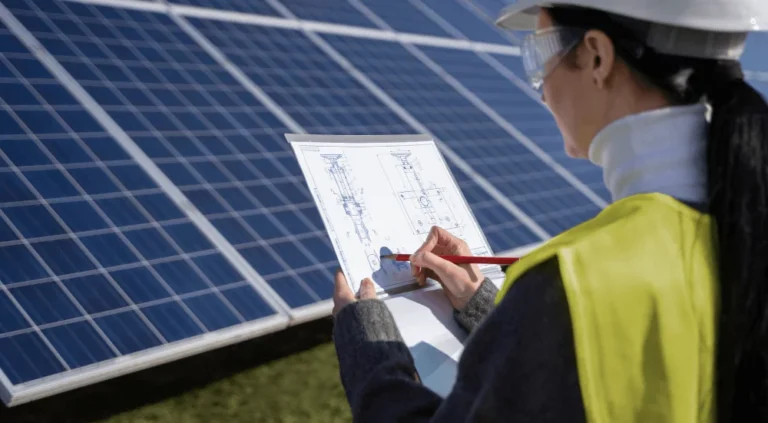
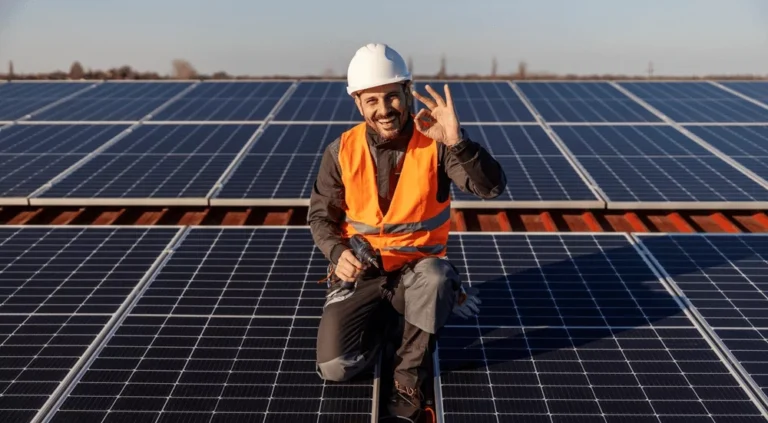
The journey to harnessing solar energy begins with a professional installation. While there is an upfront cost, it should be viewed as a long-term investment. Government incentives, tax credits, and financing options have made solar more affordable than ever. Once installed, the system immediately begins generating electricity, leading to significantly lower utility bills. Over its lifespan, a solar panel system often pays for itself several times over, offering a tangible return on investment alongside its environmental rewards.
One of the most attractive features of solar panels is their minimal maintenance requirement. With no moving parts, they are incredibly reliable and durable, built to withstand harsh weather conditions for decades. Routine maintenance typically involves little more than occasional cleaning to remove dust or debris and an annual check-up to ensure the system is operating at peak efficiency. This “set it and forget it” nature further enhances its sustainability, reducing long-term costs and labor.
Conclusion: Embrace the Sun for a Brighter, Cleaner Tomorrow
The case for solar energy is compelling and clear. The environmental advantages—from slashing our carbon footprint and cleaning our air to conserving water—position it as a critical tool in building a sustainable future. When you combine these ecological wins with the practical aspects of falling costs, low maintenance, and energy independence, the full spectrum of solar energy benefits comes into focus. Making the switch to solar is a powerful, actionable step you can take to protect the environment while securing your energy future.
Are you ready to be part of the solution? Explore your solar options today and learn how you can harness the power of the sun for your home or business. By investing in solar, you are not just making a smart financial decision; you are making a lasting commitment to the health of our planet.
SEO Hashtags:
#SolarEnergy #RenewableEnergy #SolarEnergyBenefits #CleanEnergy #GoSolar #Sustainability #SolarPower #EnvironmentalBenefits #CarbonFootprint #GreenLiving #EcoFriendly #SaveThePlanet #SolarInstallation #CleanEnergyAdvantages