Harness the Sun: A Comprehensive Solar Panel Installation Guide
Introduction to Solar Energy
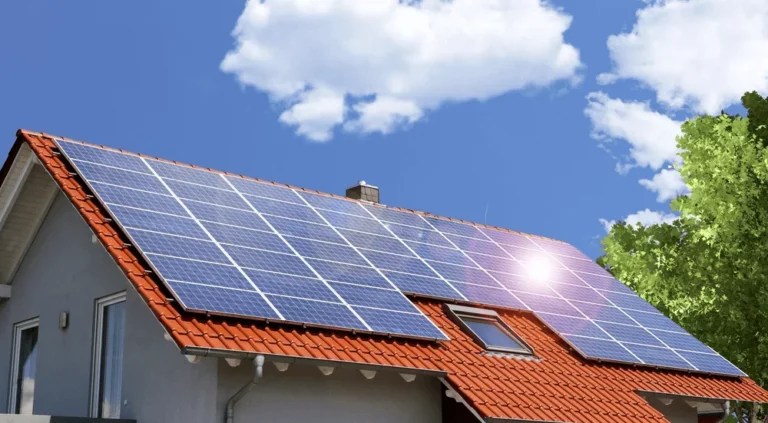
In an era of rising energy costs and growing environmental awareness, harnessing the power of the sun is no longer a futuristic dream but a practical reality for homeowners everywhere. Solar energy offers a clean, sustainable, and increasingly affordable alternative to traditional fossil fuels. The cornerstone of this green revolution is the solar panel installation, a process that transforms your rooftop into a personal power plant. This guide will walk you through everything you need to know, from the initial considerations and benefits to the final steps of powering your home with sunlight.
Why a Home Solar Panel Installation is a Smart Investment
Before diving into the technical aspects, it’s essential to understand why so many people are making the switch. The benefits of installing solar panels extend far beyond just being environmentally friendly. Financially, a home solar panel installation can drastically reduce or even eliminate your monthly electricity bills. Through programs like net metering, you may even earn credits from your utility company for the excess energy your system generates and sends back to the grid. This makes the initial solar panel installation cost an investment with a significant and predictable return.
Beyond the savings, solar power provides a remarkable degree of energy independence. You become less vulnerable to utility rate hikes and power grid instabilities. With the addition of a solar battery, you can store excess energy for use at night or during power outages, ensuring your home remains powered and secure. Furthermore, installing solar panels significantly increases your property value. A home equipped with a solar energy system is a highly attractive asset to potential buyers who are eager to benefit from lower energy costs from day one.
The Solar Panel Installation Process: A Step-by-Step Overview
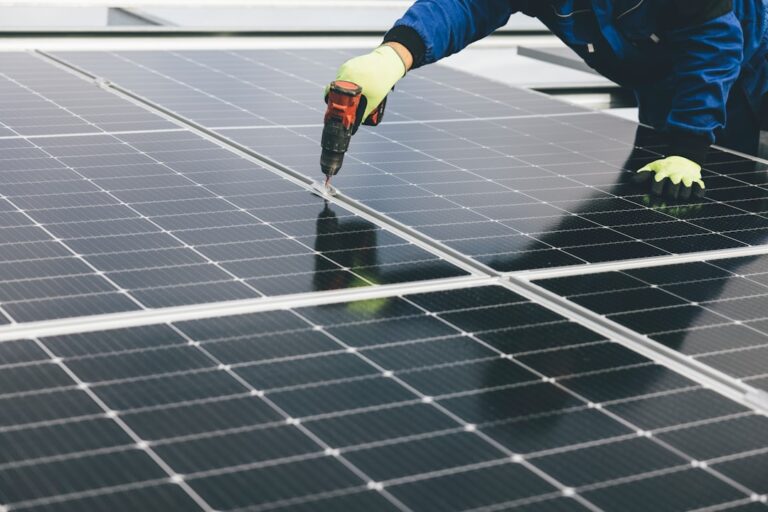
Understanding how to install solar panels is crucial, whether you plan to hire professionals or are exploring a DIY approach. While a DIY solar panel installation can seem tempting to save on labor costs, it is a complex and potentially dangerous task that involves high-voltage electricity and working at heights. For safety, warranty, and efficiency reasons, we strongly recommend hiring certified and insured professionals. This solar panel installation guide breaks down the typical process professionals follow.
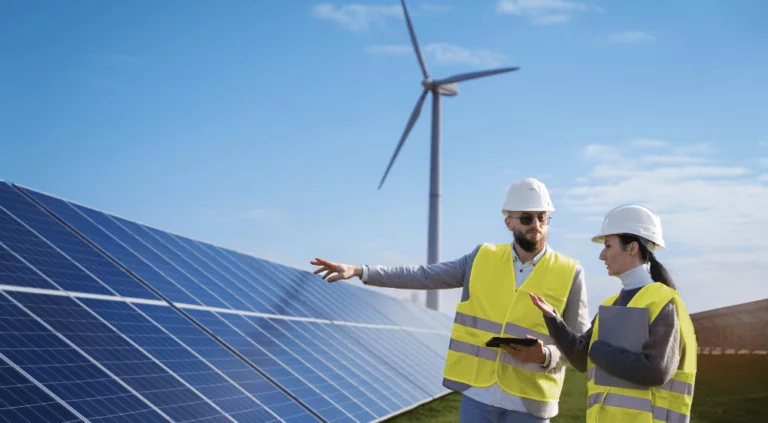
- Step 1: Site Assessment and System Design. A solar professional will first evaluate your property. This involves assessing your roof’s condition, orientation, and angle, as well as checking for any shading from trees or nearby structures. They will also analyze your past electricity bills to determine your energy consumption needs. Based on this data, they will design a custom solar panel system optimized for maximum production for your specific home.
- Step 2: Permits and Paperwork. A crucial step in any legitimate solar panel installation is securing the necessary permits. Your installer will typically handle all the paperwork, which includes applying for local building permits, and submitting interconnection applications to your utility company. This ensures your system is compliant with all safety codes and is approved to connect to the grid.
- Step 3: Ordering Equipment. Once the design is finalized and permits are approved, the equipment is ordered. This includes the solar panels themselves, the inverter (which converts DC electricity from the panels to AC electricity for your home), the mounting racks, and all necessary wiring and safety components.
- Step 4: The Installation. The installation team will begin by securely attaching the mounting system, or “racking,” to your roof. The solar panels are then mounted onto the racks. After the panels are in place, the electrical wiring is completed. This involves connecting the panels to each other and then running the wiring to the inverter, which is usually installed near your main electrical panel. A licensed electrician will make the final connection from the inverter to your home’s grid system.
- Step 5: Inspection and Commissioning. After the physical installation is complete, a representative from your local city or county will conduct a final inspection to ensure the system meets all electrical and building codes. Once it passes inspection, the utility company will grant “Permission to Operate” (PTO). Your installer will then commission the system, and you can officially start generating your own clean electricity.
Understanding the Solar Panel Installation Cost
The solar panel installation cost is one of the most significant factors for homeowners. The total price can vary widely based on several key elements. The primary driver of cost is the system’s size, measured in kilowatts (kW), which is determined by your energy needs. The type and quality of the equipment chosen, such as high-efficiency panels or advanced microinverters, will also influence the price. Other factors include the complexity of your roof and the labor rates in your area.
However, it is vital to look beyond the initial price tag and consider the available financial incentives that make solar more accessible than ever. The federal government offers a substantial Investment Tax Credit (ITC) that allows you to deduct a significant percentage of your total system cost from your federal taxes. Additionally, many states, local governments, and utility companies offer their own rebates, tax credits, or performance-based incentives. These programs can dramatically reduce your net cost, shortening the payback period and increasing your overall return on investment.
Maintaining Your Solar Power System
One of the most attractive aspects of a solar energy system is its low maintenance requirements. Solar panels are built to be durable and withstand harsh weather conditions for 25 years or more. For most homeowners, occasional rainfall is enough to wash away any dust or debris that might accumulate. In drier, dustier climates, a simple cleaning with a hose and a soft-bristled brush once or twice a year may be beneficial to ensure peak performance.
Modern solar systems also come equipped with monitoring software that allows you and your installer to track energy production in real-time. This technology can alert you immediately if a panel is underperforming or if the system requires attention. It’s also a good practice to have a professional inspect the system every few years to check for loose connections or any potential issues, ensuring your investment continues to operate safely and efficiently for decades to come.
Conclusion: Your Journey to Energy Independence
Making the decision to invest in a solar panel installation is a powerful step towards a more sustainable and financially secure future. By generating your own clean electricity, you reduce your carbon footprint, lower your energy bills, and gain valuable independence from the utility grid. While the process may seem complex, understanding the steps from assessment to commissioning demystifies the journey. The combination of long-term savings and generous financial incentives makes now the perfect time to go solar. Ready to harness the power of the sun? Contact a certified solar professional today to get a personalized quote and begin your transition to clean, renewable energy.
#SolarEnergy #SolarPanelInstallation #GoSolar #RenewableEnergy #CleanEnergy #HomeSolar #InstallingSolarPanels #SolarPower #SaveEnergy #SustainableLiving #SolarPanelCost #DIYsolar